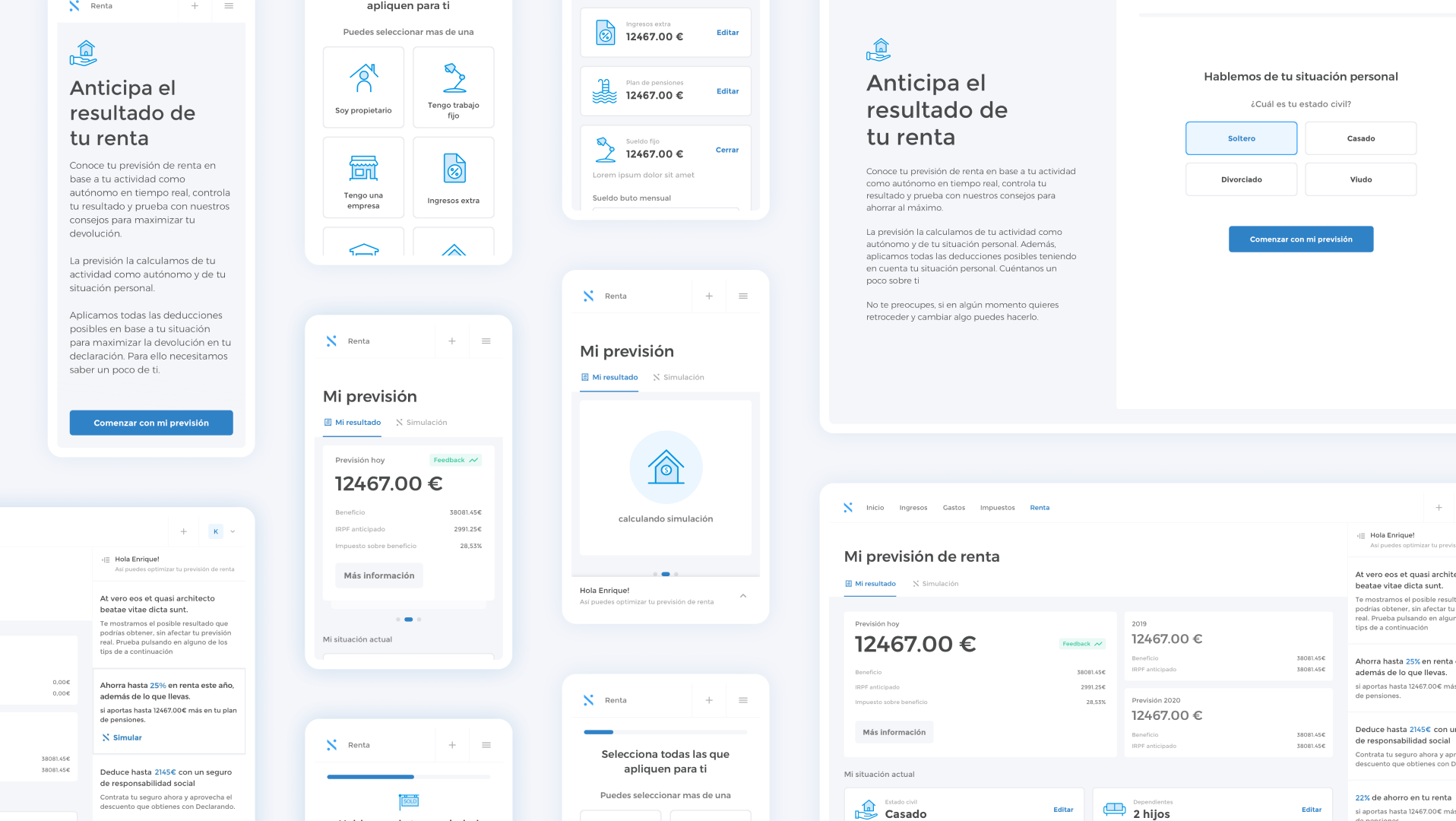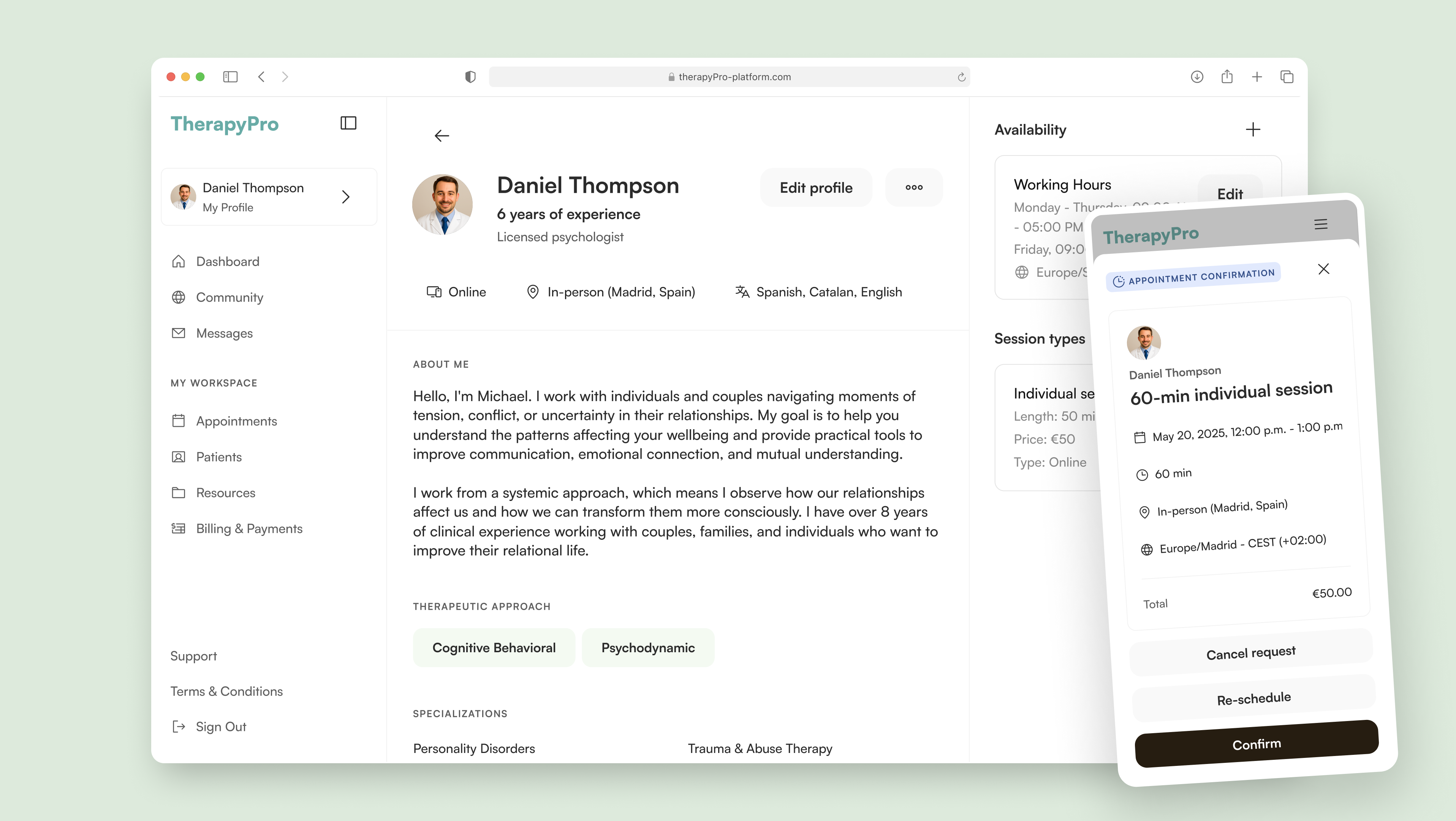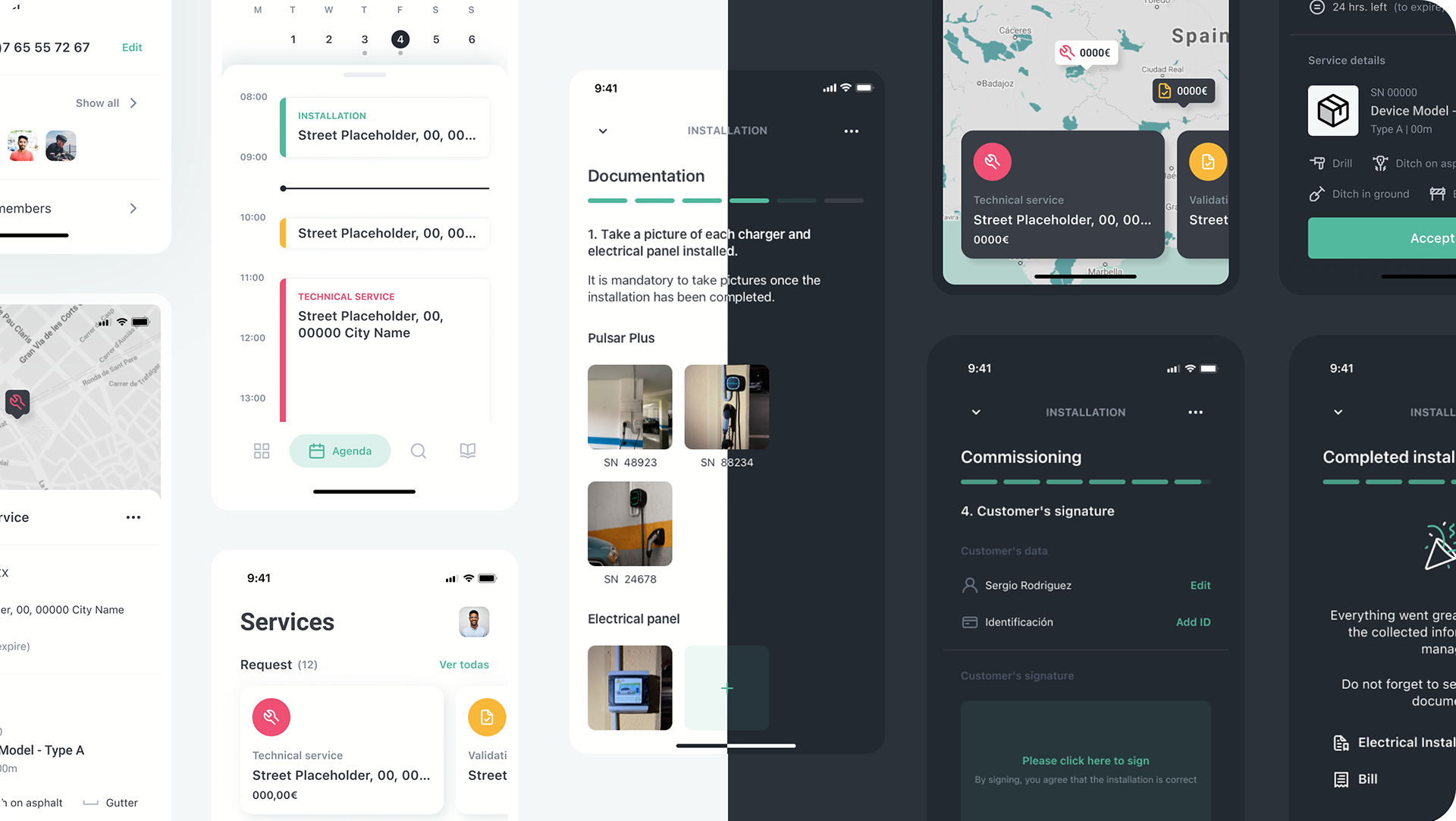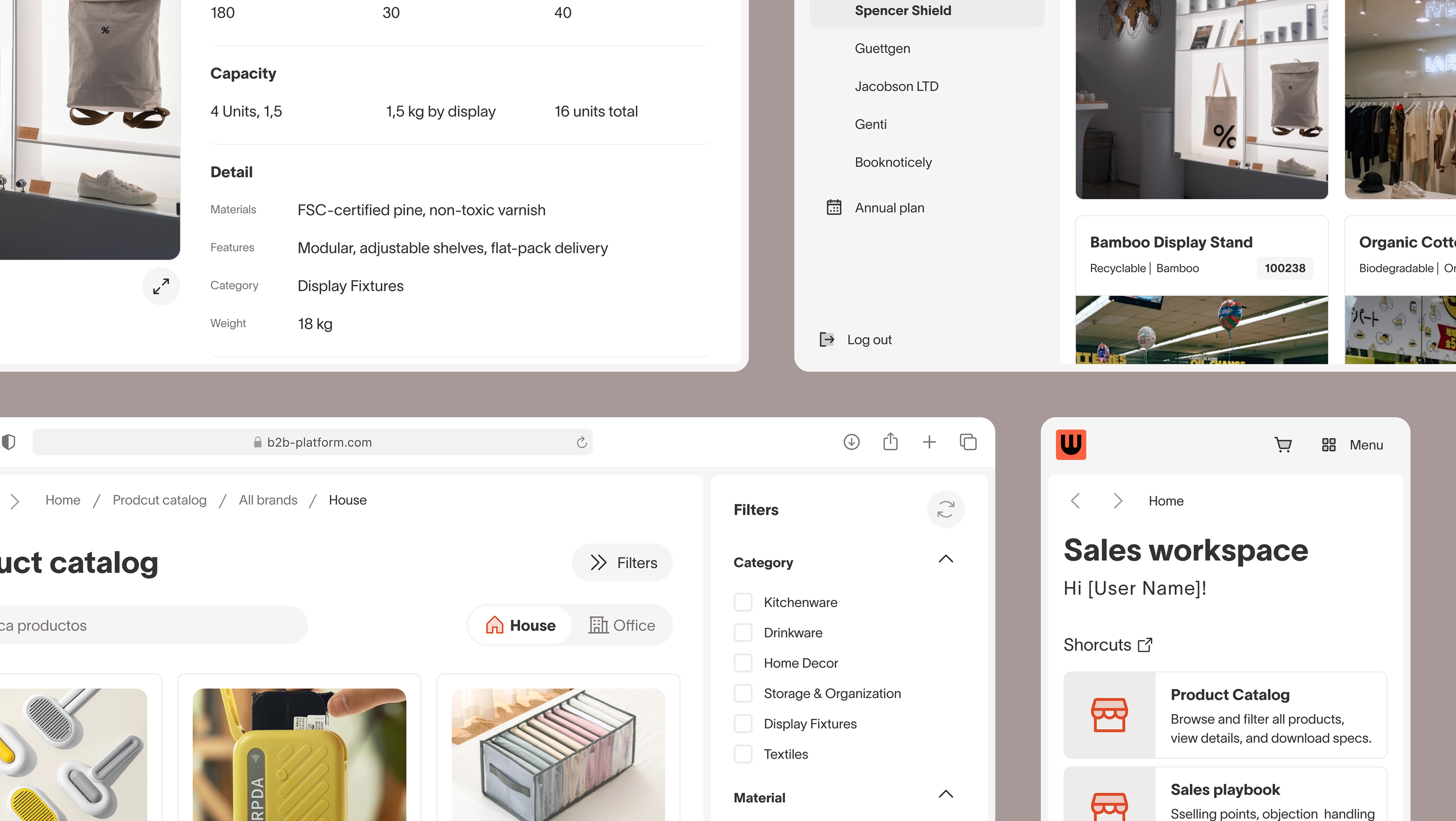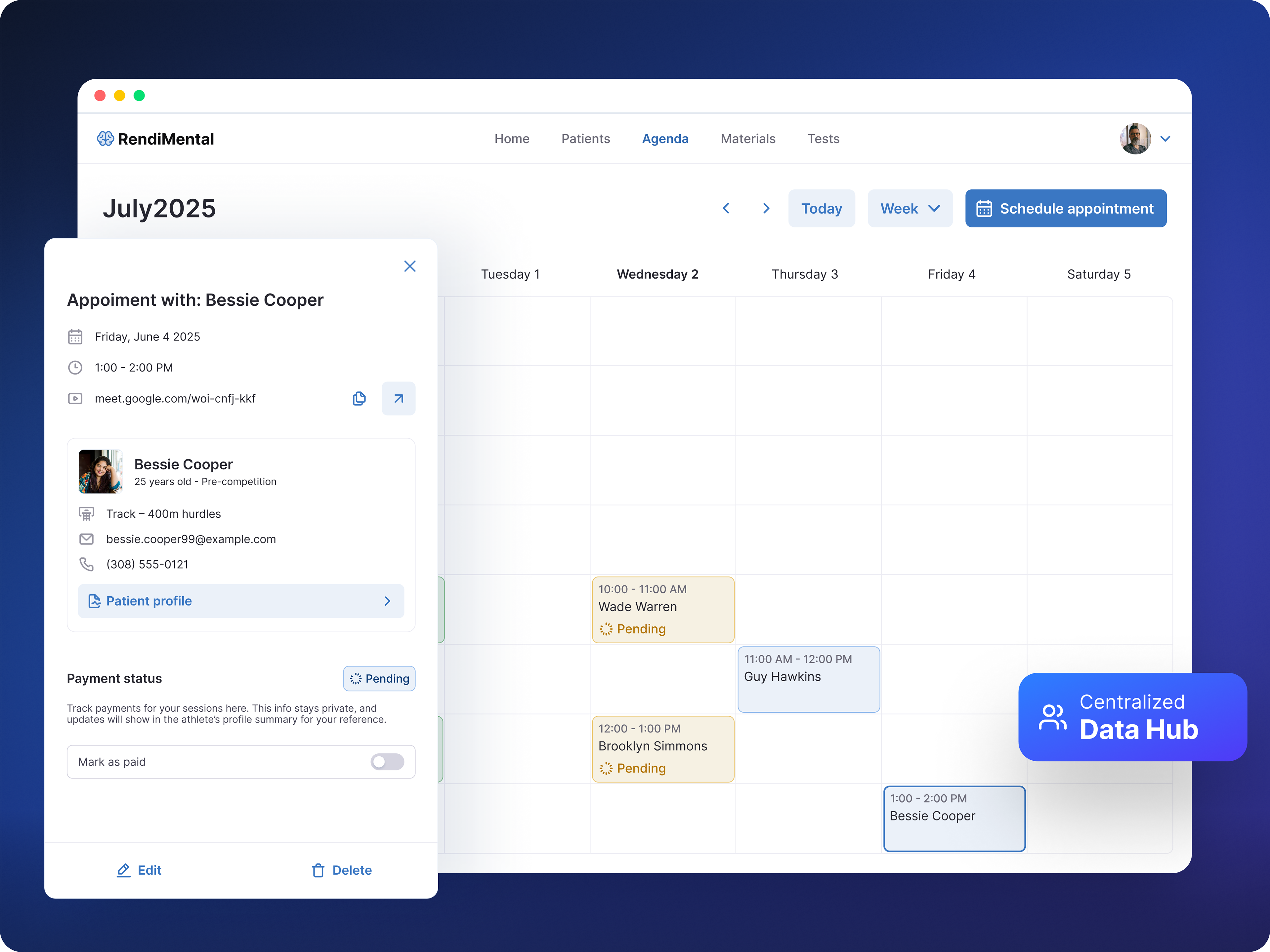
I led the en-to-end UX/UI design process, covering user research, information architecture, workflow definition, prototyping, and final interface design. I collaborated closely with a PM, a domain specialist, and the engineering team.
Timeline
10 weeks.
10 weeks.
Users
Sports psychologists.
Sports psychologists.
Scope
Research to UI.
Research to UI.
Challenge
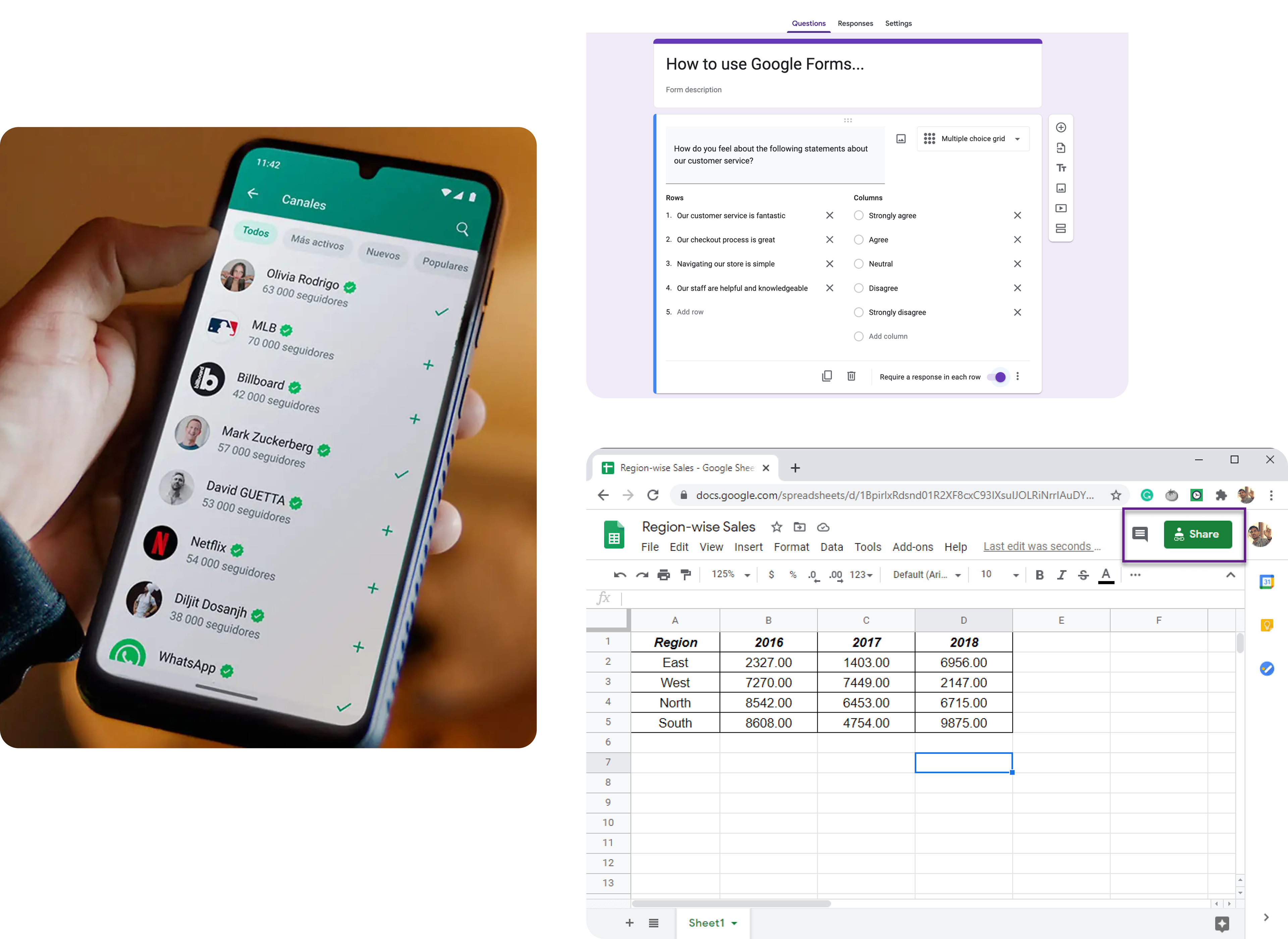
Managing patients across fragmented tools losing time and risking gaps in follow up
Existing workflows were fragmented across spreadsheets, messaging apps, and manual documentation, creating inefficiencies and reducing the time practitioners could dedicate to meaningful athlete interactions. This fragmentation created inefficiency, confidentiality risks, and gaps in athlete continuity. Practitioners spent more time managing tools than focusing on athlete care.
• Information scattered across multiple platforms.
• Difficulty identifying performance patterns over time.
• Manual data entry causing delays and errors.
• No unified progress tracking or high-level overview.
• Difficulty identifying performance patterns over time.
• Manual data entry causing delays and errors.
• No unified progress tracking or high-level overview.
Research process
Understanding the domain
To design for clinical workflows, I needed to deeply understand how sports psychologists work, think, and make decisions. Research focused on workflow observation and mental model mapping.
Expert interviews
In-depth conversations with practicing sports psychologists.
Task Analysis
Mapping decision points and information needs.
In-depth conversations with practicing sports psychologists.
Task Analysis
Mapping decision points and information needs.
Workflow observation
Shadowing session preparation and documentation processes.
Shadowing session preparation and documentation processes.
Mental Model Mapping
Card sorting to understand practitioner thinking patterns.
Card sorting to understand practitioner thinking patterns.
Key insights
These insights fundamentally shaped the information architecture, we needed to build around athletes as objects, not sessions or tasks.
• Users operate primarily around athletes, not tasks or dates
• Historical context is essential for decision-making
• Psychologists prioritize clarity over interface density
• Dashboards must reduce cognitive load, not add to it
• Historical context is essential for decision-making
• Psychologists prioritize clarity over interface density
• Dashboards must reduce cognitive load, not add to it
Information Architecture & Core Decisions
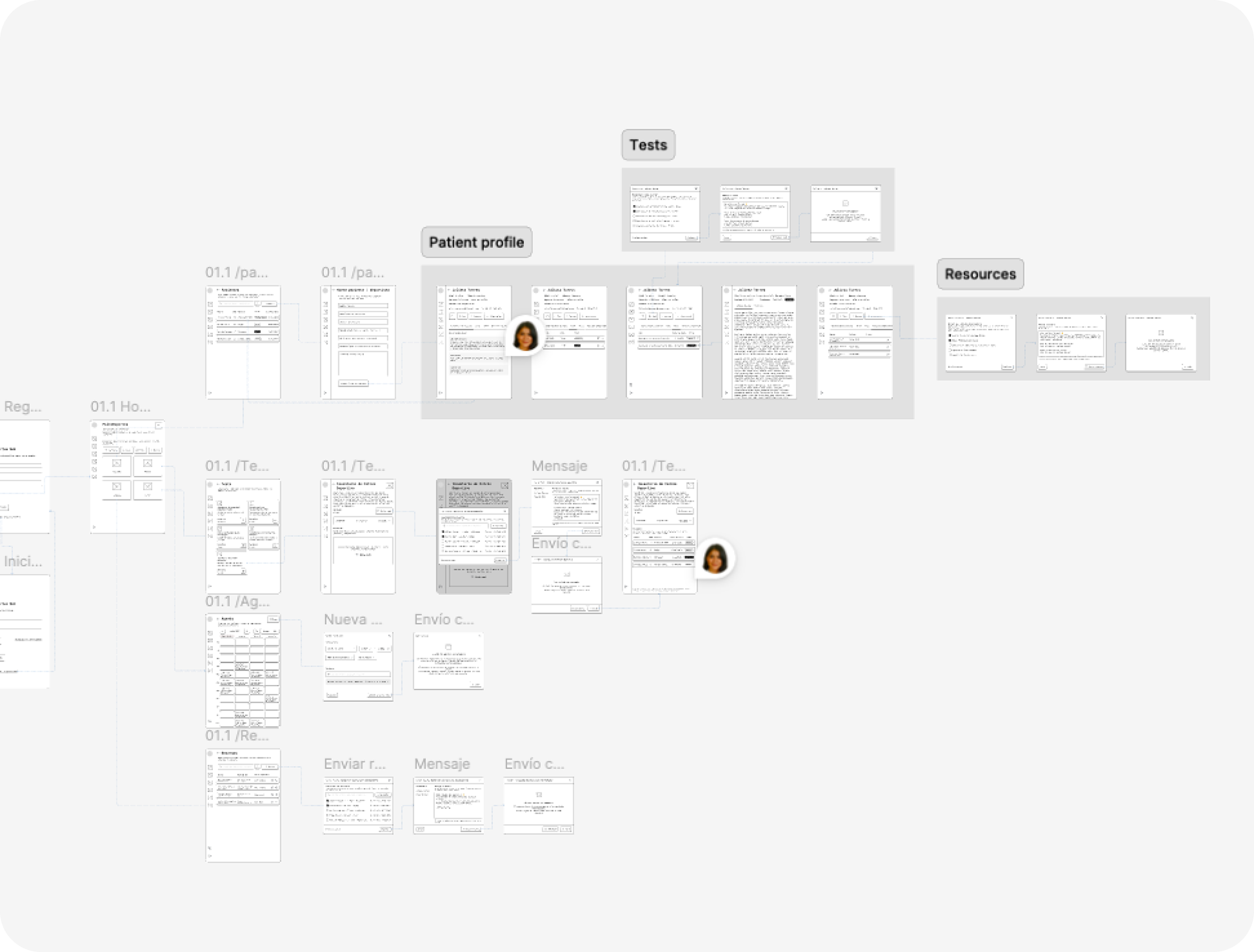
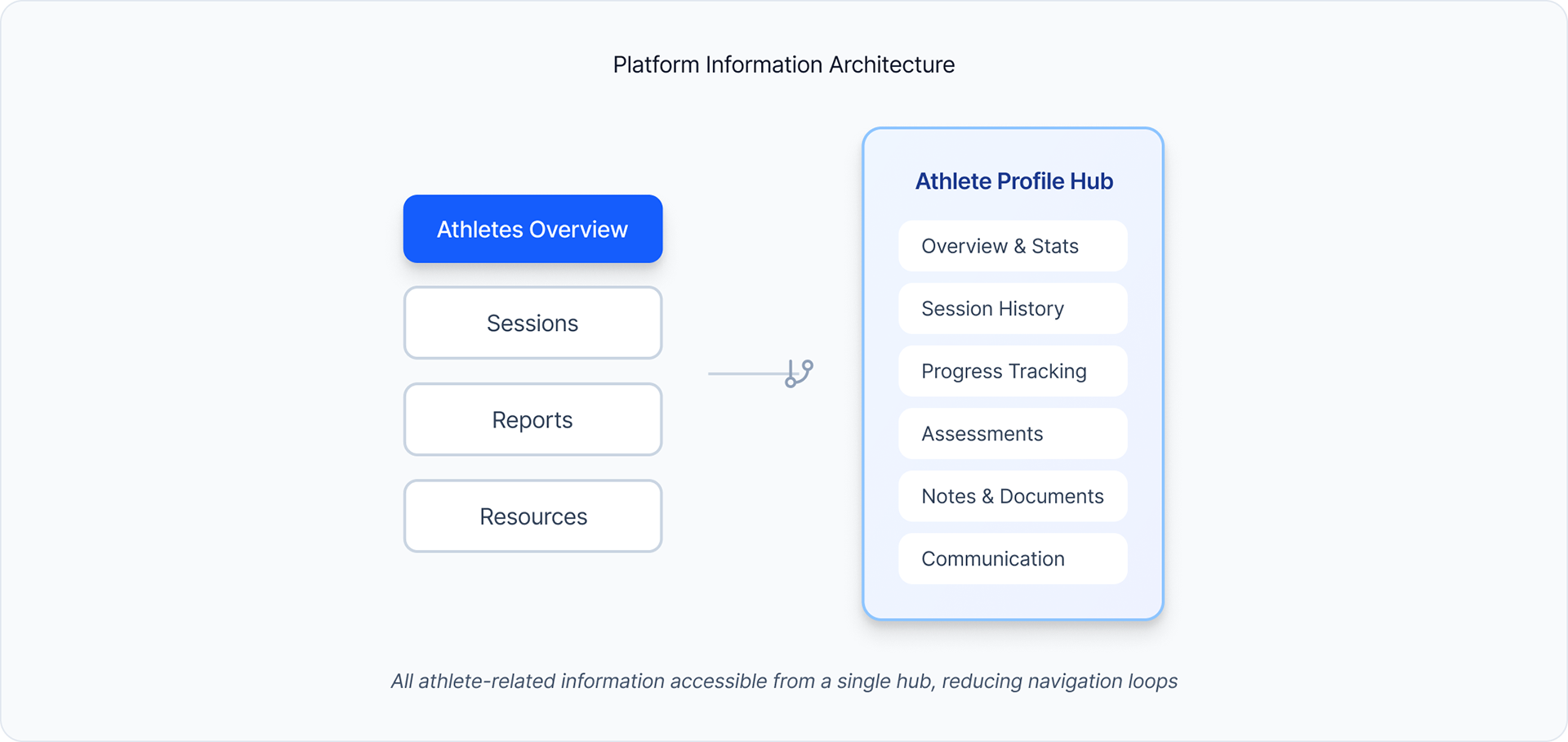
Based on research insights, I redesigned the information architecture around the practitioner's mental model: athletes as central objects, with all related data organized underneath
Athlete-Centred Navigation
Everything revolves around the athlete, not the tool.
Everything revolves around the athlete, not the tool.
Structured Clinical Workflow
A guided path simplifies session preparation and reporting.
A guided path simplifies session preparation and reporting.
Visual Insight Layer
Dashboards reveal trends, progression, and alerts.
Dashboards reveal trends, progression, and alerts.
Solutions
A unified web platform designed around how sports psychologists actually work, centered on athletes, not tools or tasks
The platform provides structured workflows, visual insights, and a single source of truth. Each screen demonstrates how research insights translated into concrete design decisions, from athlete-centered navigation to visual trend identification.
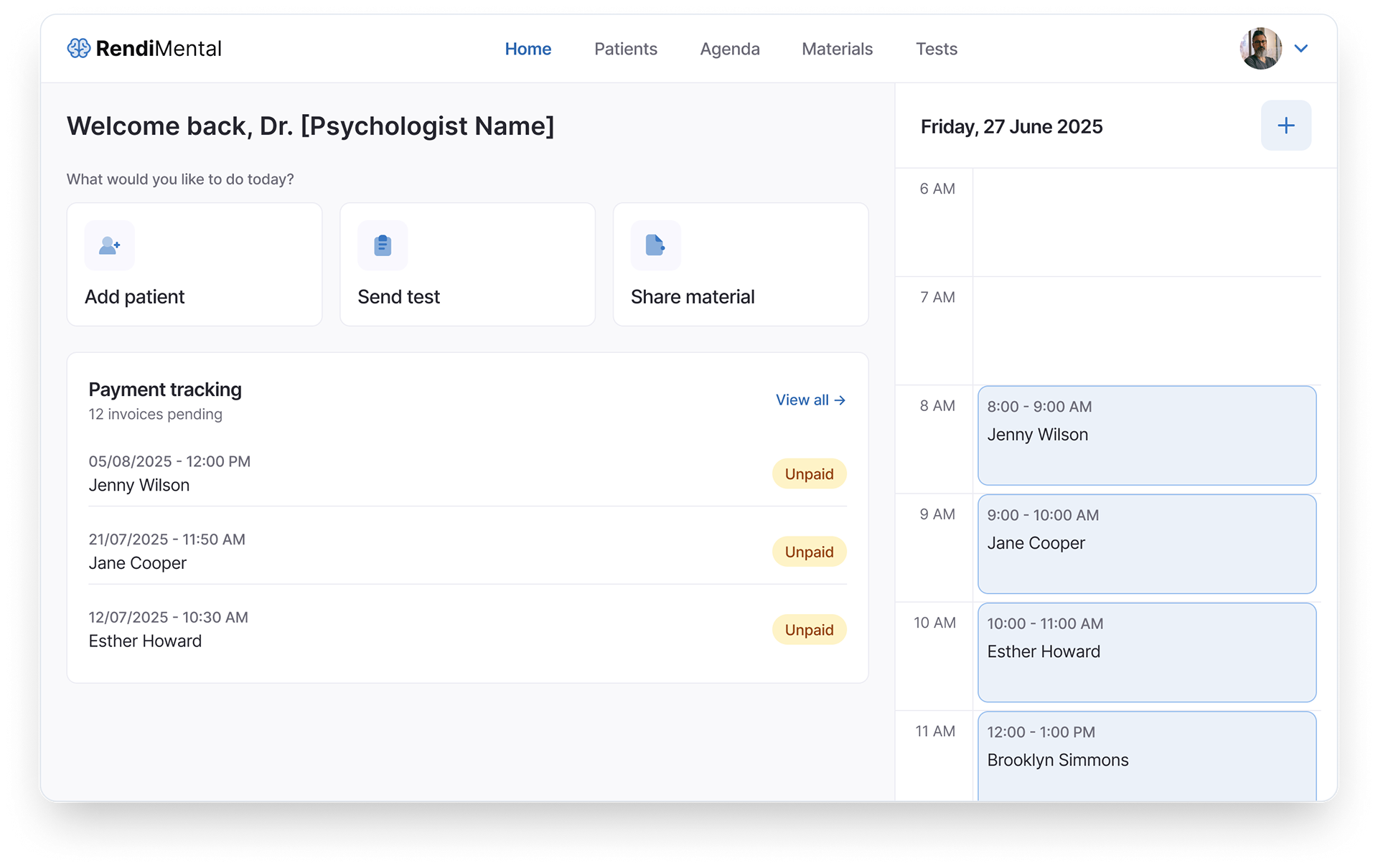
Athletes Overview Dashboard
The primary landing screen organizing all athletes in a scannable layout with at-a-glance well-being indicators, upcoming sessions, and quick actions. Clean, calendar-inspired design reduces cognitive load during busy clinical days.
The primary landing screen organizing all athletes in a scannable layout with at-a-glance well-being indicators, upcoming sessions, and quick actions. Clean, calendar-inspired design reduces cognitive load during busy clinical days.
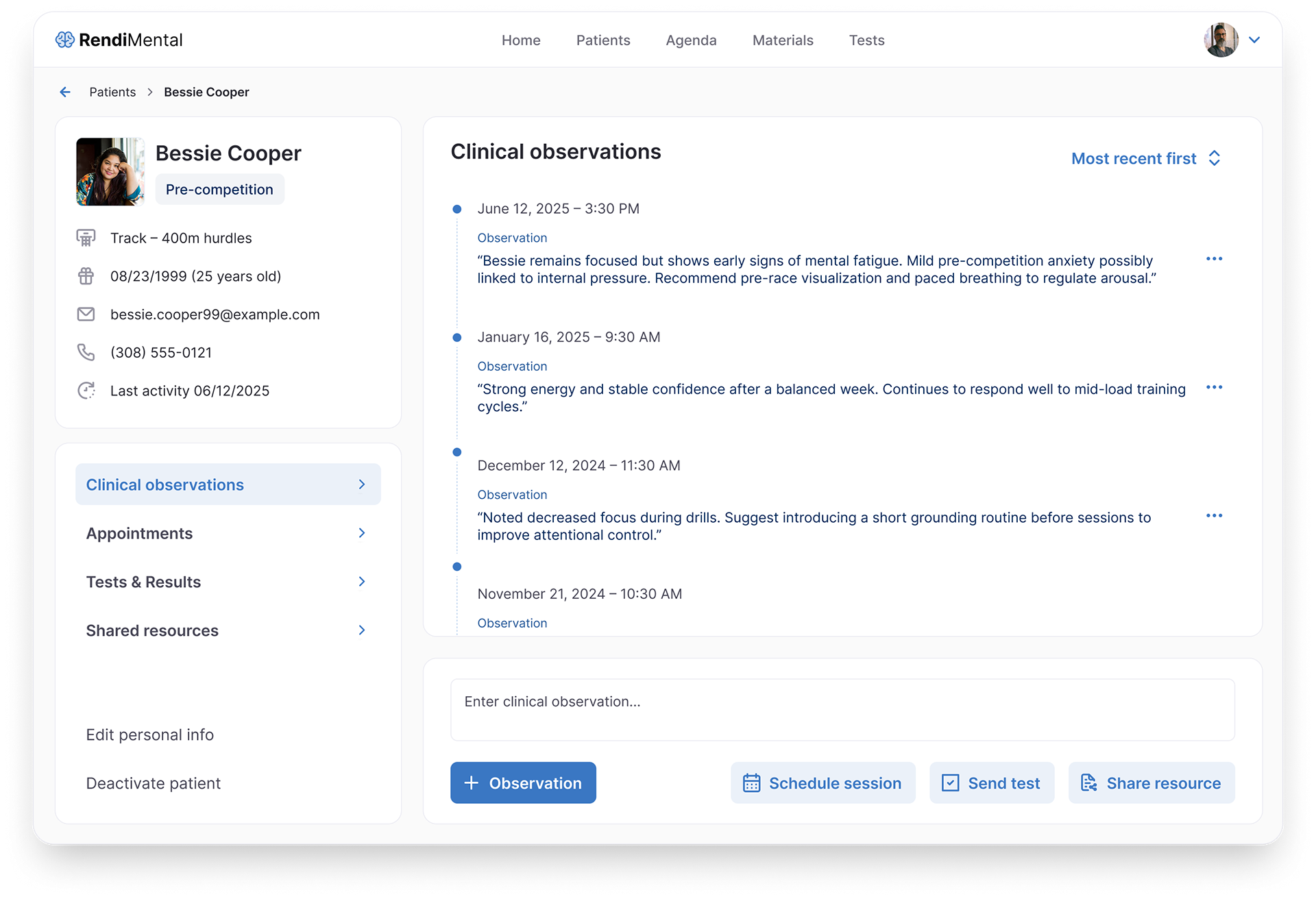
Athlete Profile Hub
The single source of truth for all athlete-related data. This hub consolidates session history, progress trends, assessments, notes, and upcoming actions, eliminating the need to switch between spreadsheets, forms, and messaging apps.
The single source of truth for all athlete-related data. This hub consolidates session history, progress trends, assessments, notes, and upcoming actions, eliminating the need to switch between spreadsheets, forms, and messaging apps.
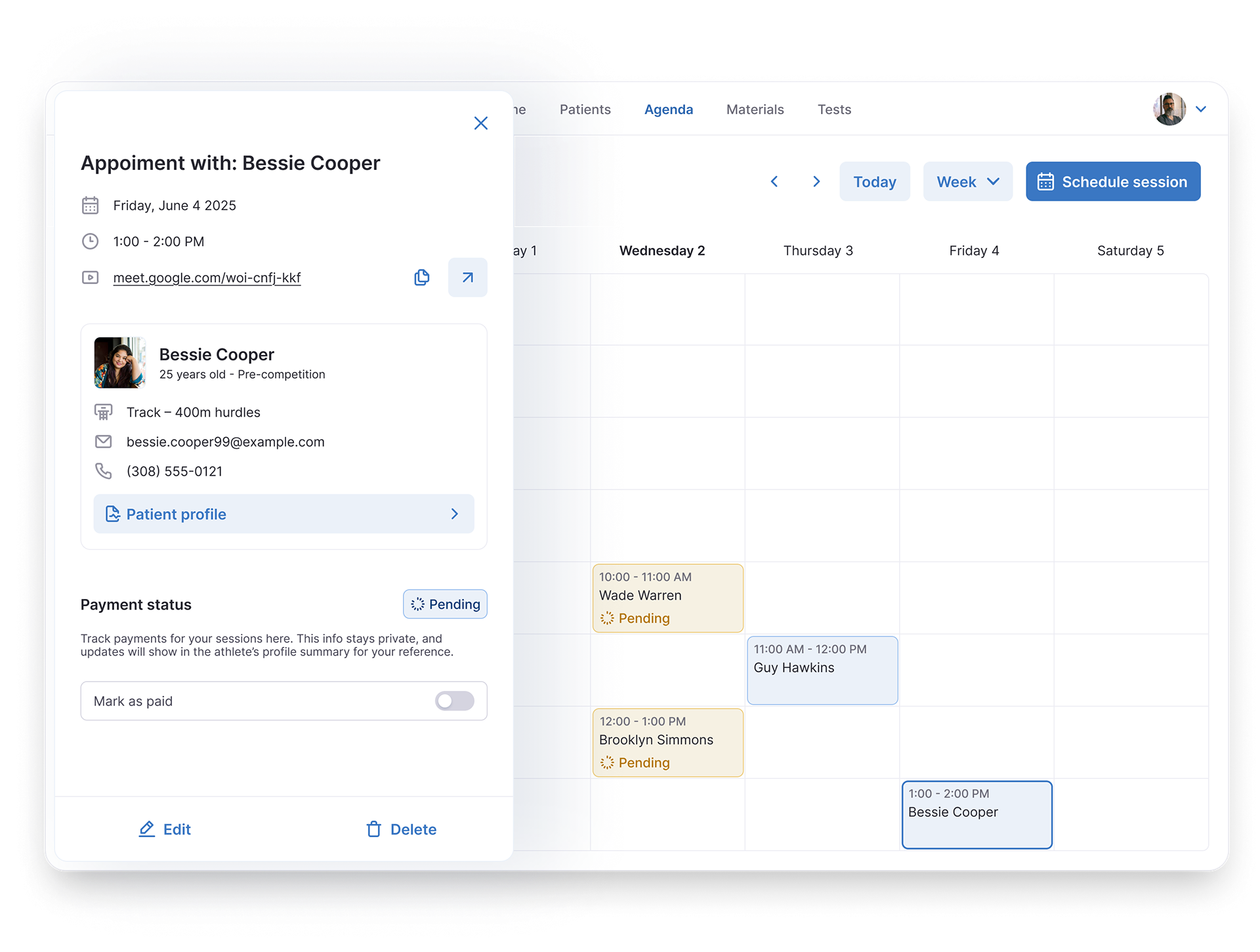
Simplify payments & sessions
Appointments can be scheduled, rescheduled, or canceled in a few clicks.
Payment status is easy to mark before or after a session giving therapists a lightweight but reliable record of their work.
Appointments can be scheduled, rescheduled, or canceled in a few clicks.
Payment status is easy to mark before or after a session giving therapists a lightweight but reliable record of their work.
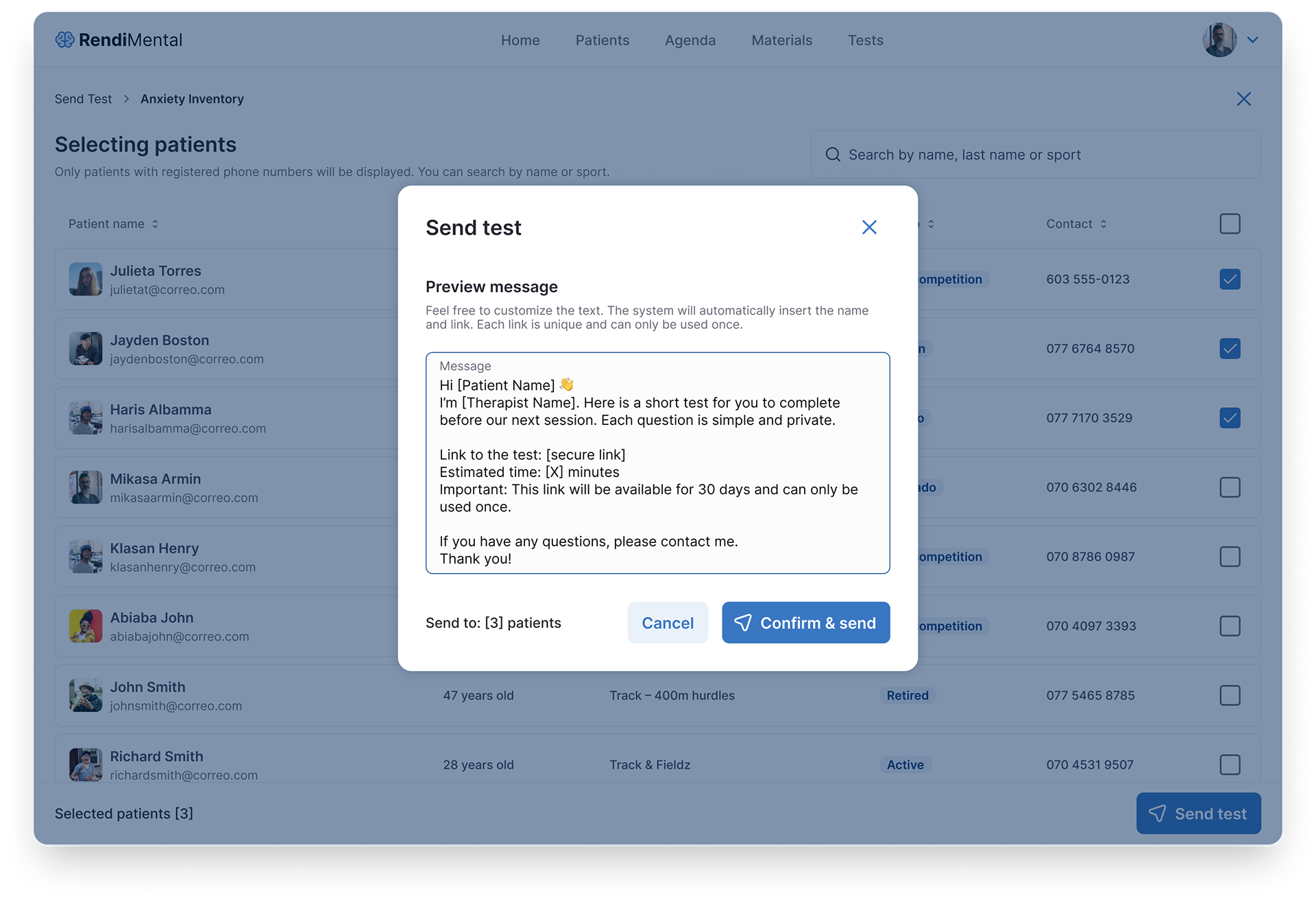
Confidentiality-first
Role-based permissions, unique resource links, and strict privacy flows. Every test link and resource is unique secure and private. Therapists control who sees what ensuring clinical data is protected while keeping the workflow effortless.
Role-based permissions, unique resource links, and strict privacy flows. Every test link and resource is unique secure and private. Therapists control who sees what ensuring clinical data is protected while keeping the workflow effortless.
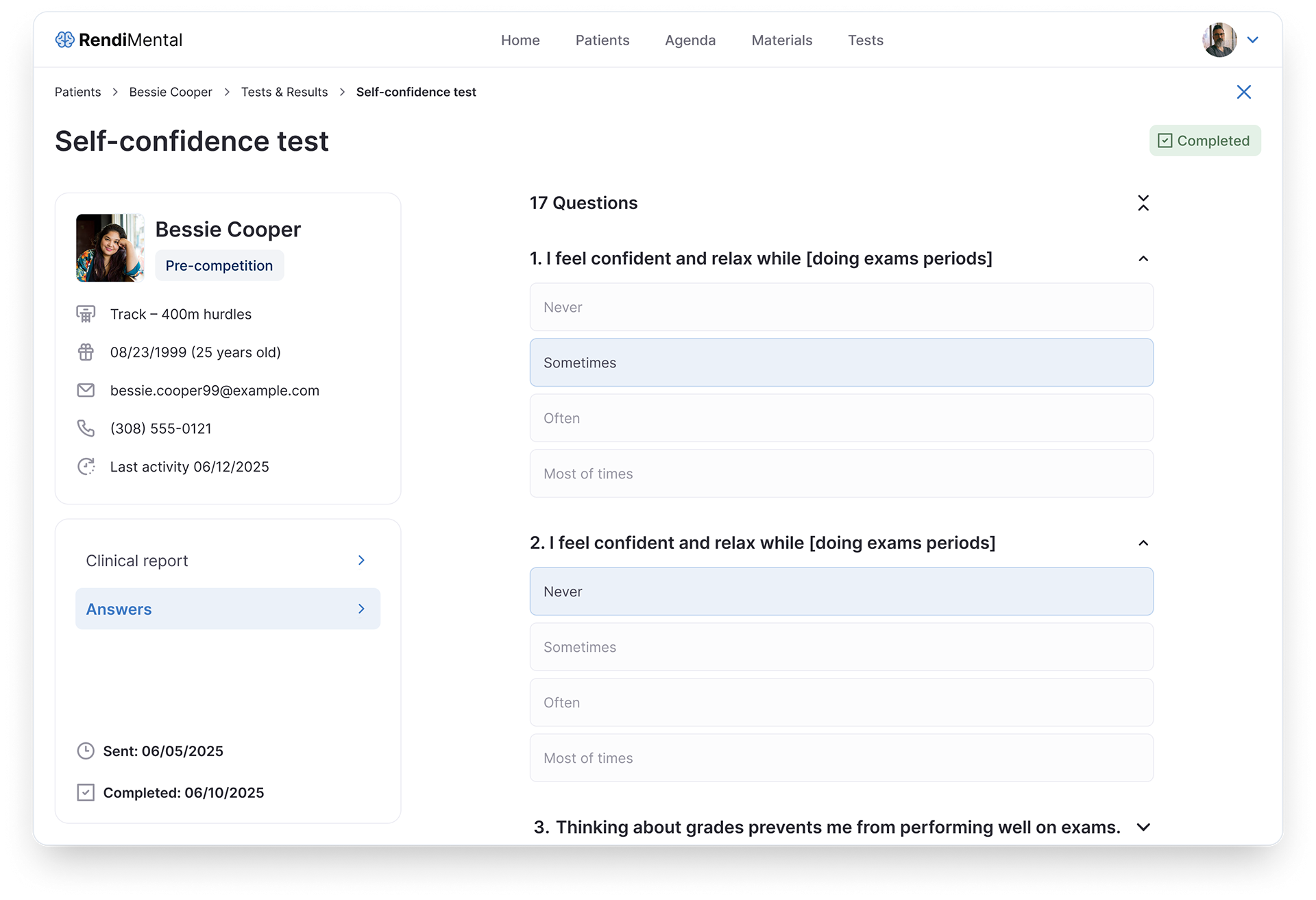
The impact of unifying the workflow and usability in a sensitive clinical domain
Designing for clinicians required balancing precision, confidentiality and usability. The platform created value by simplifying complex workflows into a clear & supportive system for both therapists and athletes.
Before
Therapists managed patients across spreadsheets email and chat apps losing time and risking gaps in follow up
• Manual workflows scattered across 5+ tools.
• No visibility into athlete progress.
• Inconsistent patient communication.
Therapists managed patients across spreadsheets email and chat apps losing time and risking gaps in follow up
• Manual workflows scattered across 5+ tools.
• No visibility into athlete progress.
• Inconsistent patient communication.
After
One platform where tests resources & sessions live together reducing admin overhead and improving continuity of care
Although metrics are confidential, qualitative feedback highlighted:
• Improved efficiency in locating past session content.
• Reduced session prep time thanks to structured workflows.
• Better visibility into long-term trends.
• Higher practitioner confidence when reviewing athlete status.
One platform where tests resources & sessions live together reducing admin overhead and improving continuity of care
Although metrics are confidential, qualitative feedback highlighted:
• Improved efficiency in locating past session content.
• Reduced session prep time thanks to structured workflows.
• Better visibility into long-term trends.
• Higher practitioner confidence when reviewing athlete status.
What I Learned
• Complex clinical domains require empathetic information design.
• A well-defined IA unlocks clarity at every level of the UX.
• Dashboards must simplify, not overwhelm, professional users.
• Early concept testing prevents late-stage misalignment.
• Complex clinical domains require empathetic information design.
• A well-defined IA unlocks clarity at every level of the UX.
• Dashboards must simplify, not overwhelm, professional users.
• Early concept testing prevents late-stage misalignment.